Auto-Renewal
Auto-renewal is an opt-in feature that rolls a borrow position into a new fixed-rate or variable-rate position at maturity, without requiring action from the borrower. You configure your preferences once when you initiate a borrow position; the position then carries a standing renewal offer that anyone — typically an independent keeper — can fill permissionlessly, but only on terms you accepted in advance.
A borrow position that reaches maturity without being repaid or rolled becomes eligible for post-maturity liquidation on Morpho Midnight (fixed-rate, fixed-term markets). Auto-renewal avoids this by rolling the position into a new term before maturity, as long as a matching offer settles under your configured limits.
Renewals are executed by independent keepers that monitor positions onchain and act when the terms are profitable for them. A keeper rolls your position only when it can match it against an available offer at a rate you accepted in advance.
Auto-renewal is available on Tenor markets, but is not enabled for OTC positions.
Renewal options
When you initiate a borrow position on Tenor, you pick one of three renewal options. Two auto-renew the position at maturity; the third leaves repayment and rolling up to you.
- Fixed-rate auto-renewal: At maturity, the position rolls into a longer-dated fixed-rate market at the best available rate, up to a maximum rate you set. This option also enables the variable-rate fallback by default: if no fixed-rate offer is available at or below your maximum rate, the position migrates to a variable rate instead, then returns to fixed-rate once fixed-rate liquidity becomes available again.
- Variable-rate auto-renewal: At maturity, the position migrates directly to a Morpho Blue variable-rate market, skipping the fixed-rate roll.
- Self-managed: No auto-renewal. You repay or roll the position manually before maturity. A missed repayment results in liquidation to cover the unrepaid debt.
How a renewal works
Fixed-to-fixed renewal
A renewal window opens a set period before maturity and stays open until the position is repaid, rolled, or liquidated. Within that window:
- You set a maximum rate, a ceiling on what you will pay to renew.
- The rate offered to keepers starts low and rises across the window toward your maximum. As the rate rises, more offers become available for keepers to profitably renew your position, until your maximum rate is reached.
- A keeper can roll your position as soon as it can match it against an available lend offer. When keepers compete to roll a position, renewals tend to settle close to the market rate.
If a fixed-rate offer clears under your maximum, the position rolls into a new fixed-rate term, with collateral migrated in proportion to the debt that rolls. If none does, the variable-rate fallback migrates the position to a Morpho Blue variable-rate market instead. If neither settles, the position is exposed to post-maturity liquidation.
The position rolls into a longer-dated fixed-rate market. You can configure a maximum renewal rate and a range of maturities you can renew into.
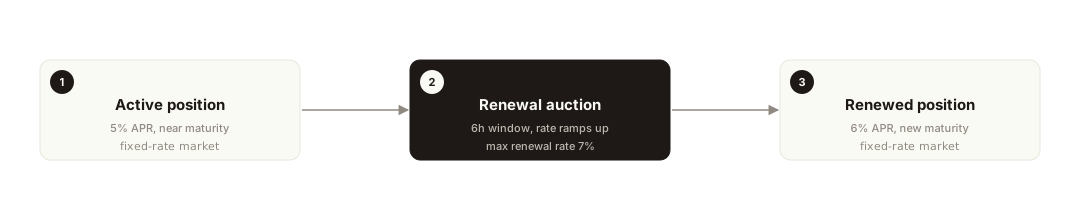
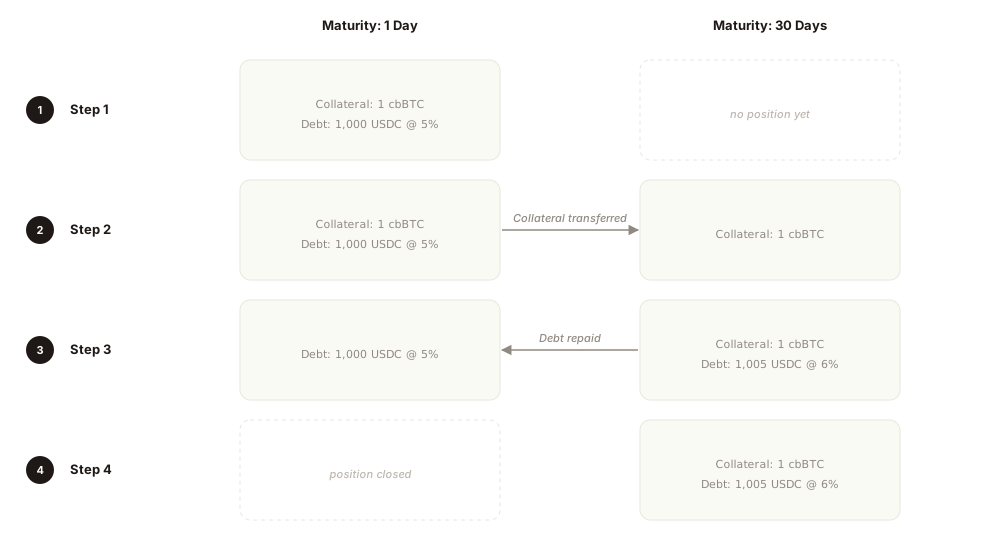
Learn more about fixed-to-fixed renewal callbacks.
Fixed-to-variable fallback
If no fixed-rate offer clears under your maximum during the window, the position migrates to a Morpho Blue variable-rate open-term market.
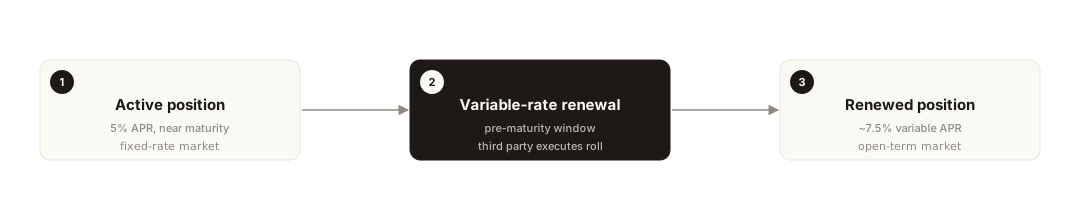
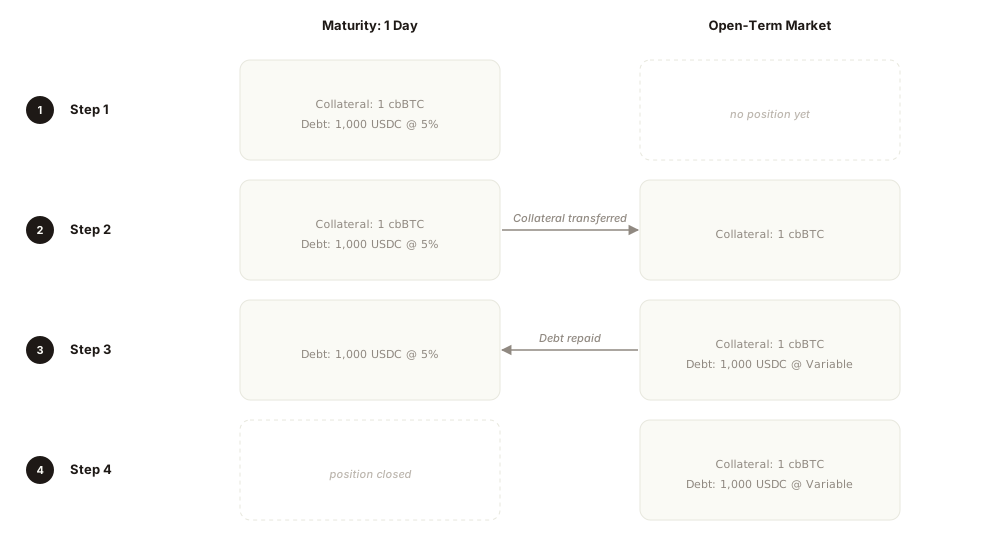
Learn more about fixed-to-variable migration callbacks.
Example
Consider a borrower with:
- 1 cbBTC collateral, 50,000 USDC borrowed at 5% APR for 30 days.
- Fixed-rate auto-renewal enabled.
- A maximum renewal rate of 6%.
The numbers below are illustrative. During the renewal window, the rate the auction offers to keepers ramps upward over time, but the effective rate is capped at the borrower's 6% maximum, so the borrower never pays more than 6% to renew. A keeper renews the position as soon as the effective rate is high enough to match an available fixed offer in the target maturity. Here, a 5% fixed offer is available, so the renewal executes once the effective rate reaches 5%.
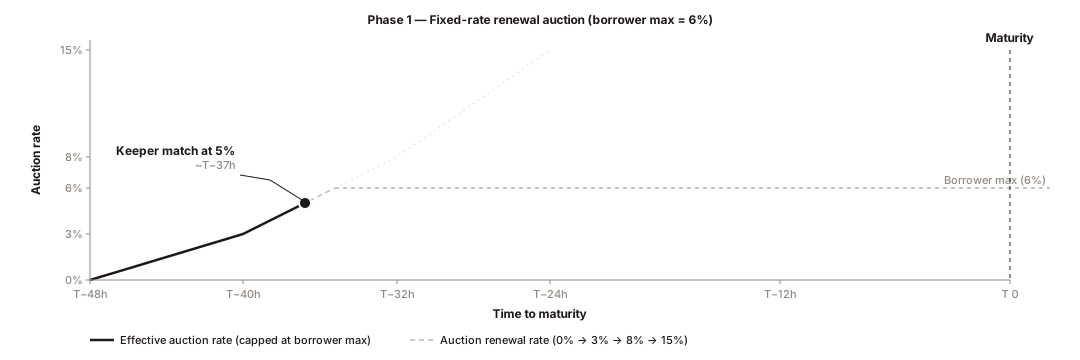
The position rolls into a new 30-day fixed-rate term at 5% APR. The collateral is migrated to the new market, unchanged in amount. The new outstanding debt is the previous maturity value, now accruing at 5% for the next 30 days:
Edge cases
It is possible the fixed-rate auto-renewal does not execute during the renewal window. There are two ways this happens:
- Fixed-rate renewal fails: no fixed-rate offer is available at or below your maximum rate.
- Variable-rate fallback fails: Morpho Blue lacks the lending liquidity to migrate the position.
When the fixed-rate renewal fails, the variable-rate fallback takes over. Only if that fallback also fails before maturity is your position exposed to post-maturity liquidation.
Auto-renewal stays permitted after maturity, until the position is repaid, rolled, or liquidated. A keeper that finds a matching offer can still roll the position past maturity, but the position is also eligible for liquidation from that point on, and whichever executes first settles the position.
Variable-to-fixed migration
Variable-to-fixed migration is enabled automatically with both auto-renewal options. It is what returns a position to fixed-rate terms after it has been on a variable rate, whether the position reached variable as the fixed-rate fallback or migrated there directly under variable-rate auto-renewal. Once a position is on Morpho Blue, it migrates back to a Morpho Midnight fixed-rate market as soon as fixed-rate liquidity becomes favorable, without further action from you. Collateral and debt move atomically through the Blue to Midnight callback.
Both options are therefore a round trip to fixed-rate terms. They differ only in what happens at maturity: fixed-rate auto-renewal attempts a fixed-rate roll first and uses variable only as a fallback, while variable-rate auto-renewal goes straight to variable. Either way, the position returns to a fixed rate once the market supports it.
Self-managed positions
A self-managed position posts no standing renewal offer, so no keeper can roll it for you. You retain full control of the position and full responsibility for it. Before maturity, you either repay the debt or roll the position into a new term yourself.
There is no fallback if you take no action. A position that reaches maturity unrepaid and unrolled is exposed to post-maturity liquidation.